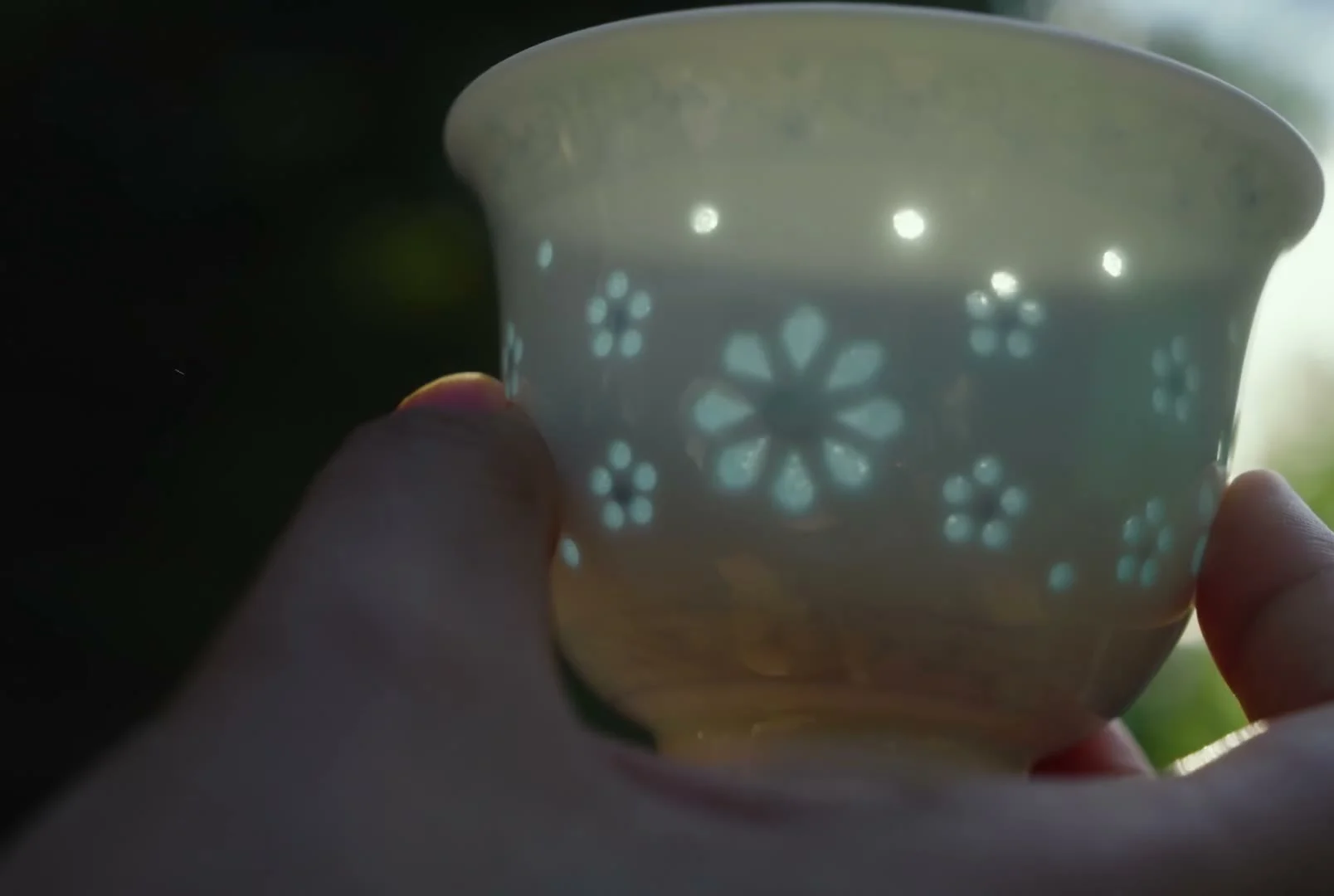
Jingdezhen
Chinese porcelain ↗
A closer look at porcelain: material, making, decoration and the questions a finished object raises.
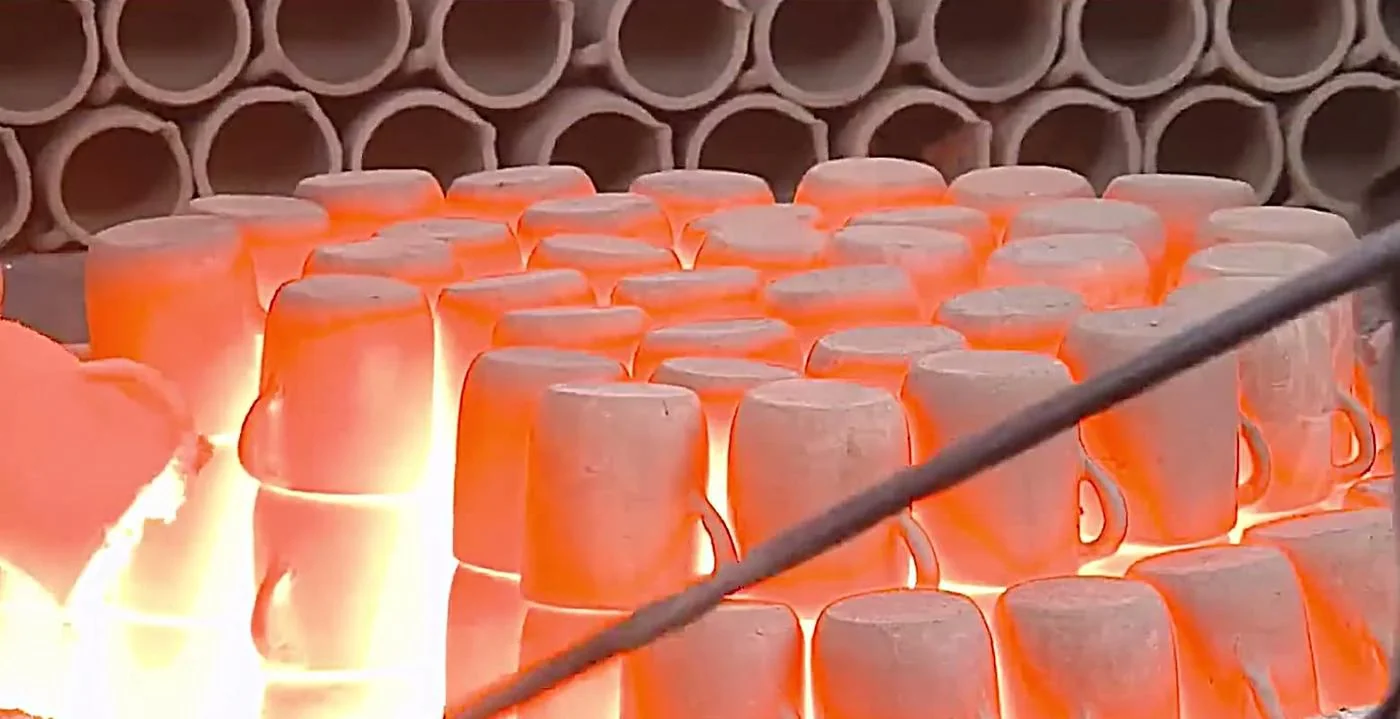
Objects. People. Everyday life.
A guide to porcelain, pottery and clay figures—
for curious readers, wherever you call home.
A closer look at clay & culture
Discover Chinese ceramics through the hands that shape them, the places they come from, and the stories they carry.
Meet China Dish ↗Four ways into the subject
Begin with a material,
an object or a local tradition.
Jingdezhen
A closer look at porcelain: material, making, decoration and the questions a finished object raises.
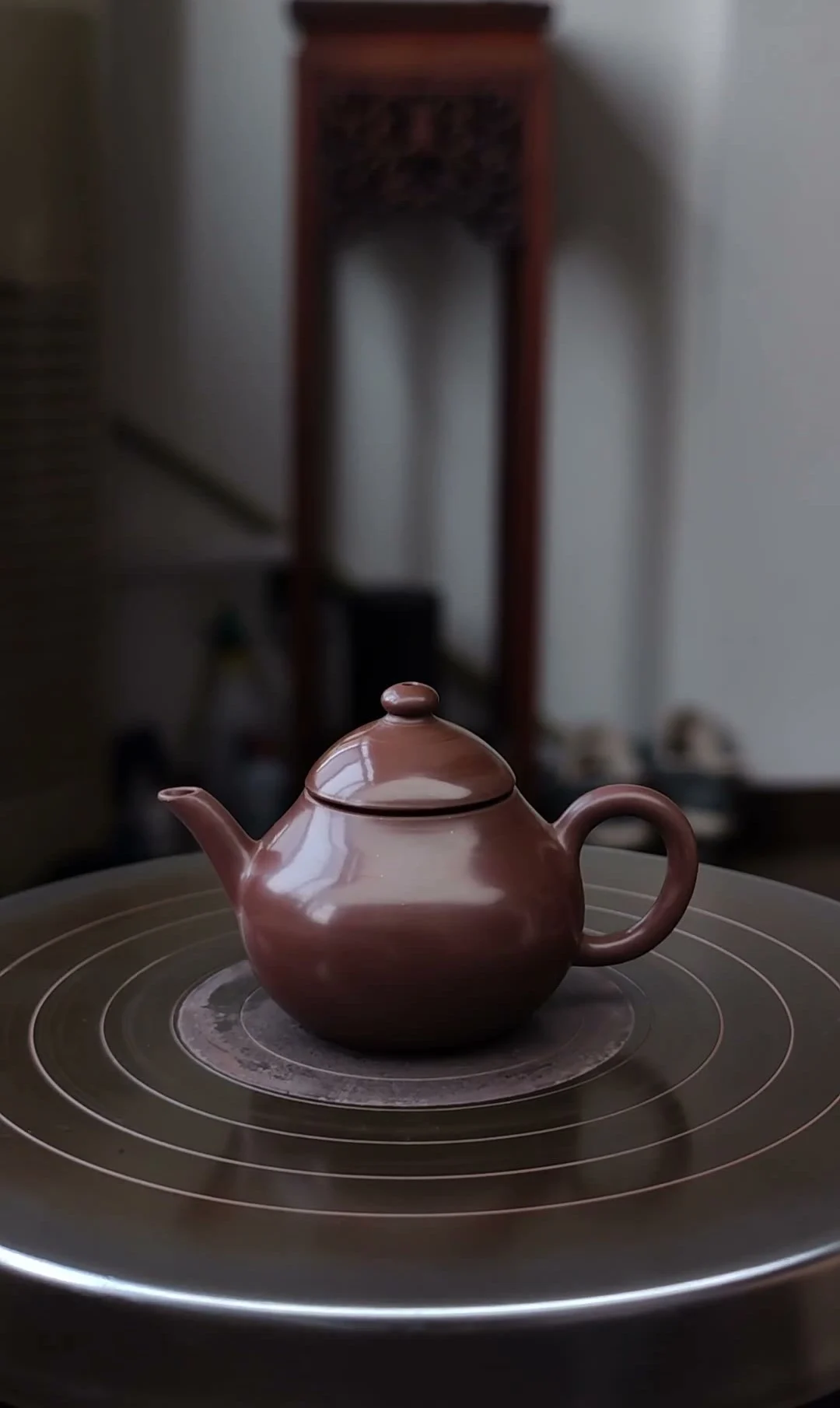
Yixing
Follow the relationship between clay, form, poetry and the cultural life of Yixing objects.
Rongchang · Jianshui · Yingjing
Explore local pottery through the shapes of vessels, their materials and the ways they are made.
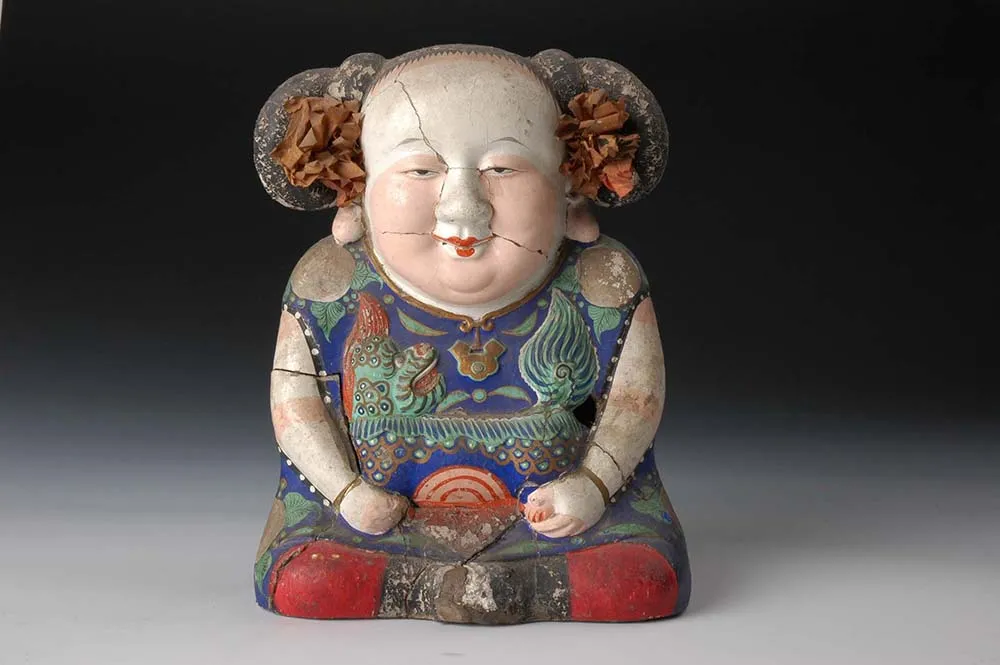
Wuxi · Huishan
Look at painted figures, hand-modeled characters and their connections with local stories and performance.
New to the subject?
No specialist vocabulary required.
A starting point for understanding the word, before looking at form or decoration.
Follow the questions behind forming, finishing, glazing and firing.
The material names that help us describe objects more precisely.
An introduction to poetry, calligraphy and the surface of a Yixing teapot.
A reading route into the relationship between lettering, decoration and clay.
Meet the rounded figure at the center of one of the site’s planned topics.
Selected reading · Editorial preview
Chosen by subject,
rather than by publication date.
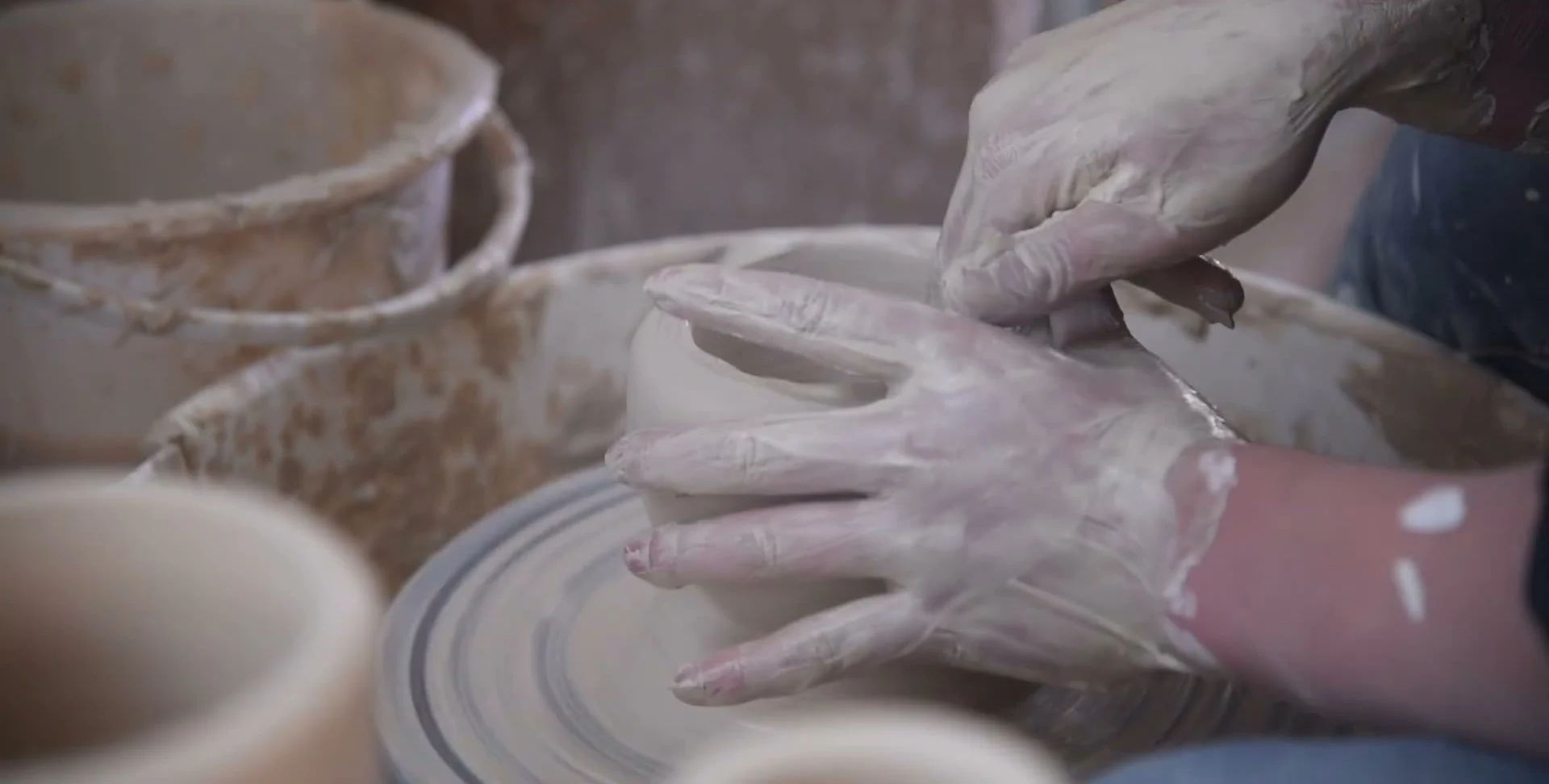
Craft & process
Follow the questions behind forming, finishing, glazing and firing.
Yixing · Culture
An introduction to poetry, calligraphy and the surface of a Yixing teapot.
Huishan · Figures
Meet the rounded figure at the center of one of the site’s planned topics.
Behind the object
A finished piece is a starting point, not the whole story. Our craft reading follows visible details and explains what the available sources can support.
Follow the making of porcelain ↗Look at a rim, handle or joint.
Notice marks, layers and decoration.
Follow the questions raised by a kiln.
Ask who made it and how it was used.
Read by place
A geographical route into the four guides.
The person behind the journal
Mo Chen Editor, China Dish
A former museum guide from Jingdezhen, China, focused on explaining ceramics to a general audience.
Meet the editor ↗Mo Chen’s background is in museum interpretation. The journal connects visible objects with their historical and cultural setting.
Sources, people and places remain identifiable. Other people’s workshop visits and interviews are not presented as the editor’s own.
Unverified details remain unverified. Pictures illustrate what can be seen; they do not prove an object’s origin, age or performance.
More than the word “dish”
China Dish is a culture and craft journal, not a tableware shop. Its subject reaches beyond bowls and plates.
Porcelain, pottery, Yixing ware, clay figures and related sculptural forms; their materials, history, regional traditions, makers and place in contemporary life.
Recipes, general shopping lists, construction instructions and antique authentication or valuation are outside this journal’s scope. The four guides above are the initial entry points, not the limit of the wider research field.
A little more to notice
Read the current field notes on objects, craft and cultural context.
Read the ceramics field notes ↗