The China Dish journal / A closer look
Yixing clay colors: purple, red and yellow-buff variation
Yixing clay colors range through brown, red and yellow-buff. Different clay materials, used alone or blended, help produce this variety, and mineral colors can widen it further. The names make more sense once the clay groups, mixtures and stages of making are kept in view. Why purple clay includes brown, red and yellow-buff Purple clay […]
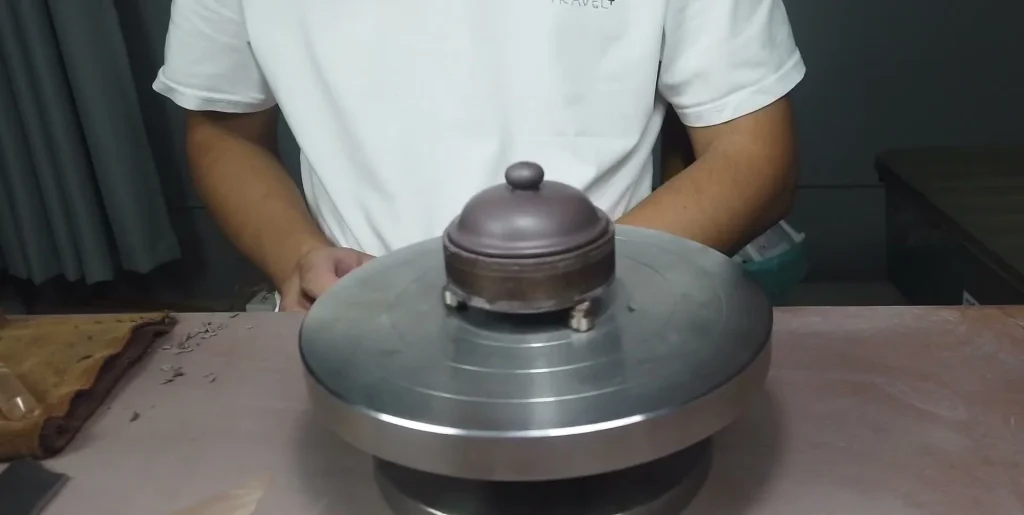
Yixing clay colors range through brown, red and yellow-buff. Different clay materials, used alone or blended, help produce this variety, and mineral colors can widen it further. The names make more sense once the clay groups, mixtures and stages of making are kept in view.
Why purple clay includes brown, red and yellow-buff
Purple clay is a name for a material tradition with a broader palette than the word purple suggests. The Chinese term zisha, literally purple sand, covers the Yixing materials discussed here. Yixing is the pottery center in Jiangsu, China, whose name appears on these wares.
The Flagstaff House Museum of Tea Ware’s exhibition leaflet groups the materials into purple clay, red clay and yellow-buff clay. Its Chinese and English names are useful to read together: the Chinese identifies the yellow-buff material as benshan lü ni, also called duan ni. The green in that material name needs more context than an English color chart gives it.
| Material in the exhibition grouping | Name in the Chinese text | Color vocabulary to keep in mind |
|---|---|---|
| Purple clay | zi ni | Purple clay belongs within a wider earthy palette |
| Red clay | zhu ni, with hong ni in parentheses | Red and orange-red |
| Yellow-buff clay | benshan lü ni, also called duan ni | Yellow-buff, a muted yellow-brown |
I’m following this exhibition’s grouping here. For a first reading, I find the earthy colors more helpful than imagining three bright paint swatches: brown, red and yellow-brown sit much closer to the objects’ quiet appearance. The material names give that first look a place to start.
Our Yixing reading index places clay color beside the planned topics on lettering, literati culture and studio objects. Those are different ways of approaching the same pottery tradition.
Mixing clay widens the Yixing color range
The three clay groups allow more than three finished colors because the materials can be combined. The exhibition account describes using them separately, mixing them with one another and adding mineral colors. Each is a different choice in preparing the material, so a color description alone leaves part of the making unexplained.
A pot made with one clay and a pot made with a mixture deserve different descriptions, even when both look brown. Brown or red describes what the eye sees, while a recorded mixture tells how the maker prepared the clay. I’d keep both details beside the object.
The leaflet also places dark green and blackish-purple among twentieth-century color developments. The date matters when reading the exhibition: its palette includes later choices as well as the familiar earth tones. A modern-looking color can be part of the story the display is telling.
Color remains a starting point for understanding a vessel, rather than a test of its clay’s identity or authenticity. For a particular pot, the maker’s material description or the collection record supplies the missing connection between a visible shade and the clay preparation.
Clay names can describe different stages
Some clay names describe the mineral before firing; others describe its fired color. Liu Fei lists both on China’s national intangible cultural heritage website. Its examples include tian qing ni for a raw-material color and hong ni for a color after firing.
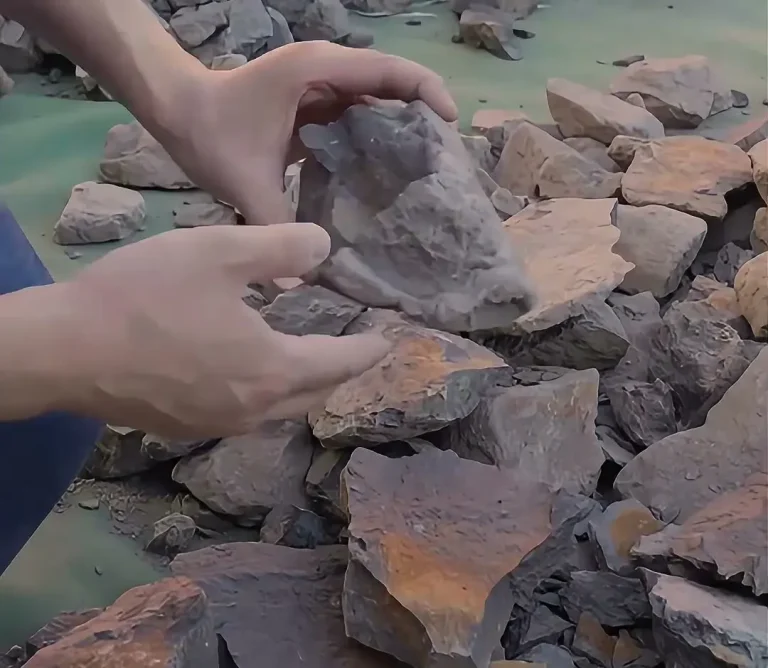
A clay lump has surfaces worth comparing. This broken piece shows gray across its fracture and brown along its outer faces. I like the contrast within one piece: color here is less tidy than a single label.
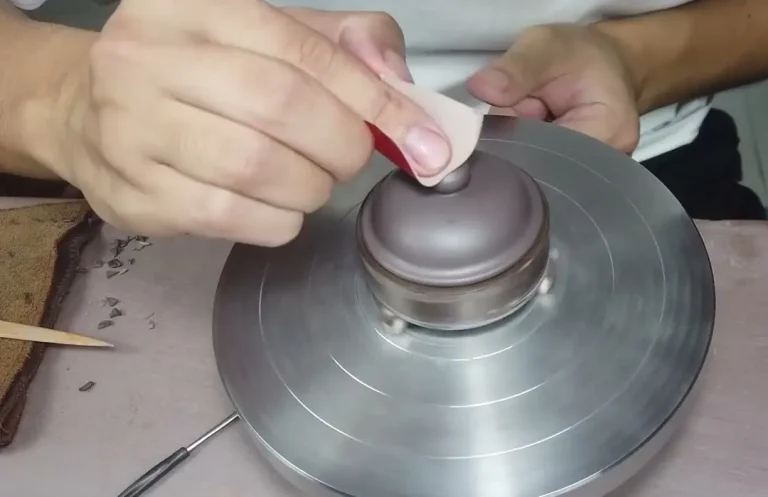
A shaped clay body is a later stage in making, with a surface the maker has already worked. The gray lid below has a rounded knob and a smooth curved top, and a small tool touches the area around the knob. Here, I’m looking at a formed clay surface, a different point in making from the broken lump above.
Names may record a place of origin or a position within a clay layer. When I read a label, I look for the part of the material’s story it names. The brown surface and the green word then become useful details.